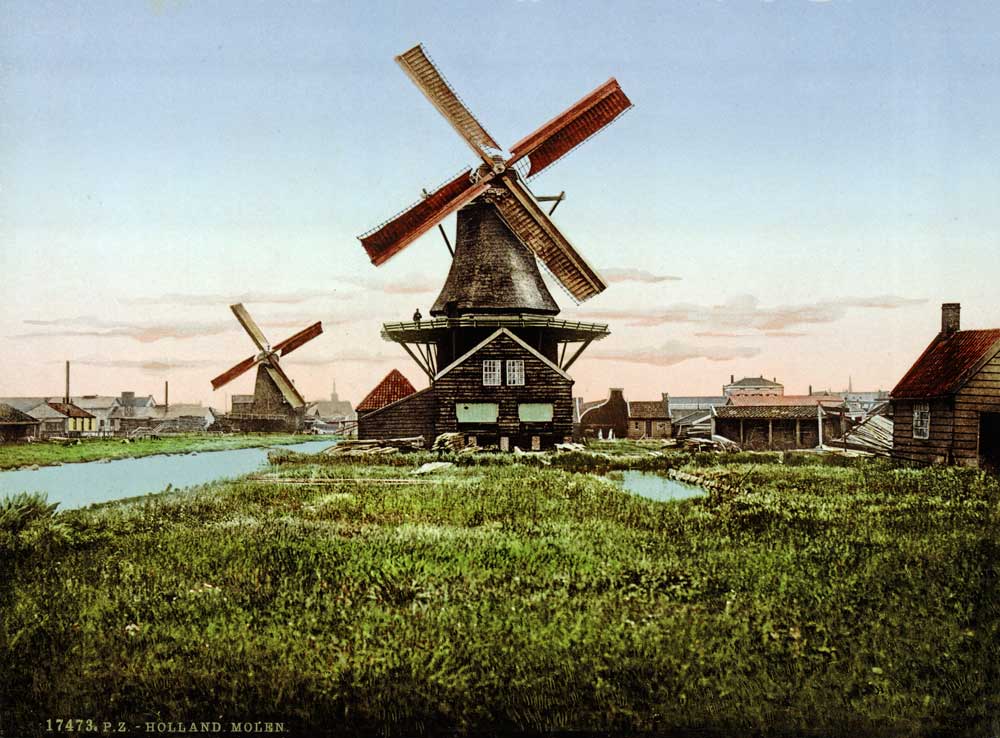
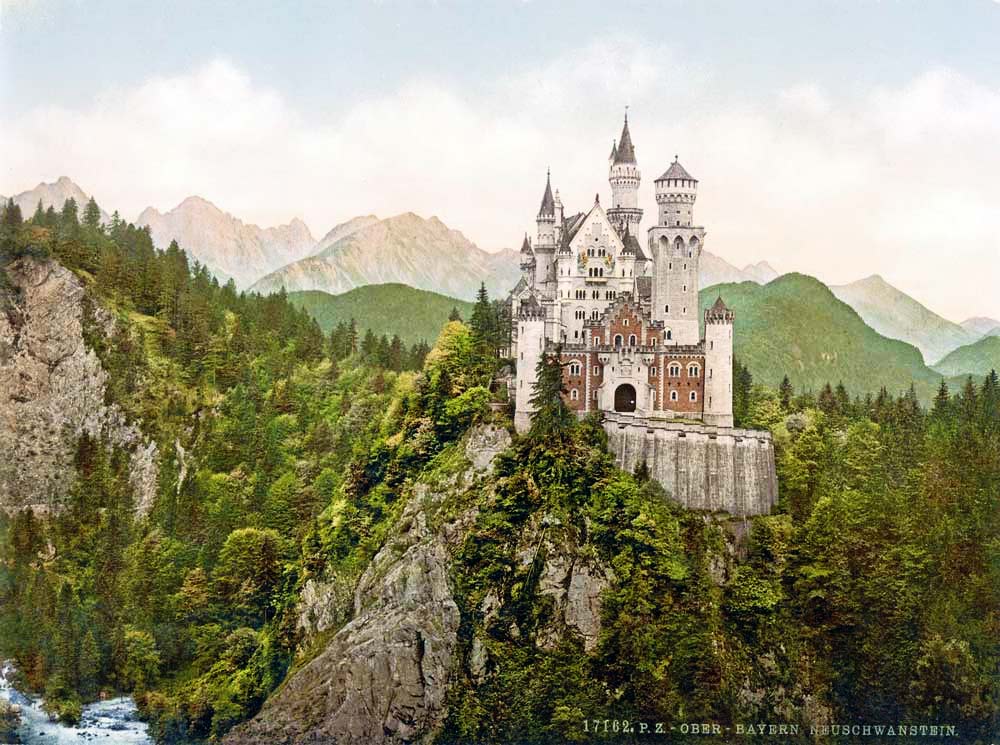
While working on the pages about the history of printing, I stumbled across the invention of the ‘Aäc process’ around 1880. This technique was used to create photochrom or photochrome prints, a type of color prints that were very popular around 1900.


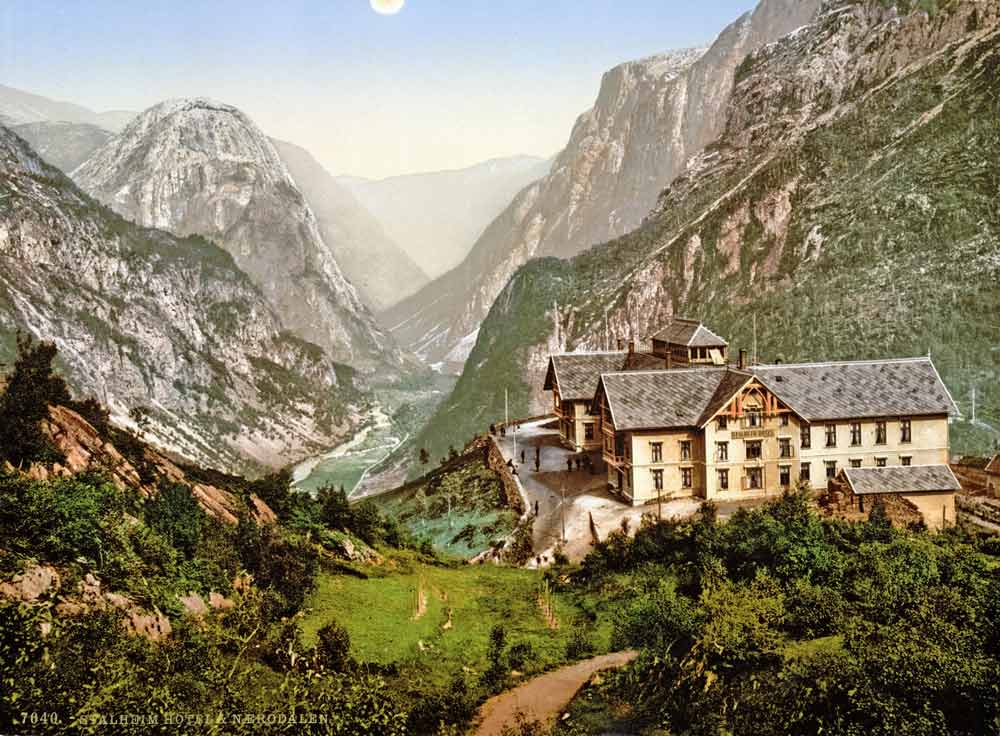
The photochrome process was mainly used to print postcards. I find these old cards oddly compelling. They depict a world that has long gone in colors that are realistic but at the same time slightly ‘off’.
The photochrom process
Photochroms are not photographs but actual prints, produced using 6 to 15 colors and the lithography printing process. The technique was invented by the Swiss Hans Jakob Schmid during the 1880s.
The fascinating aspect of these prints is that they are created from black and white photographs. Below is an example, with the original photo to the left and the print to the right.
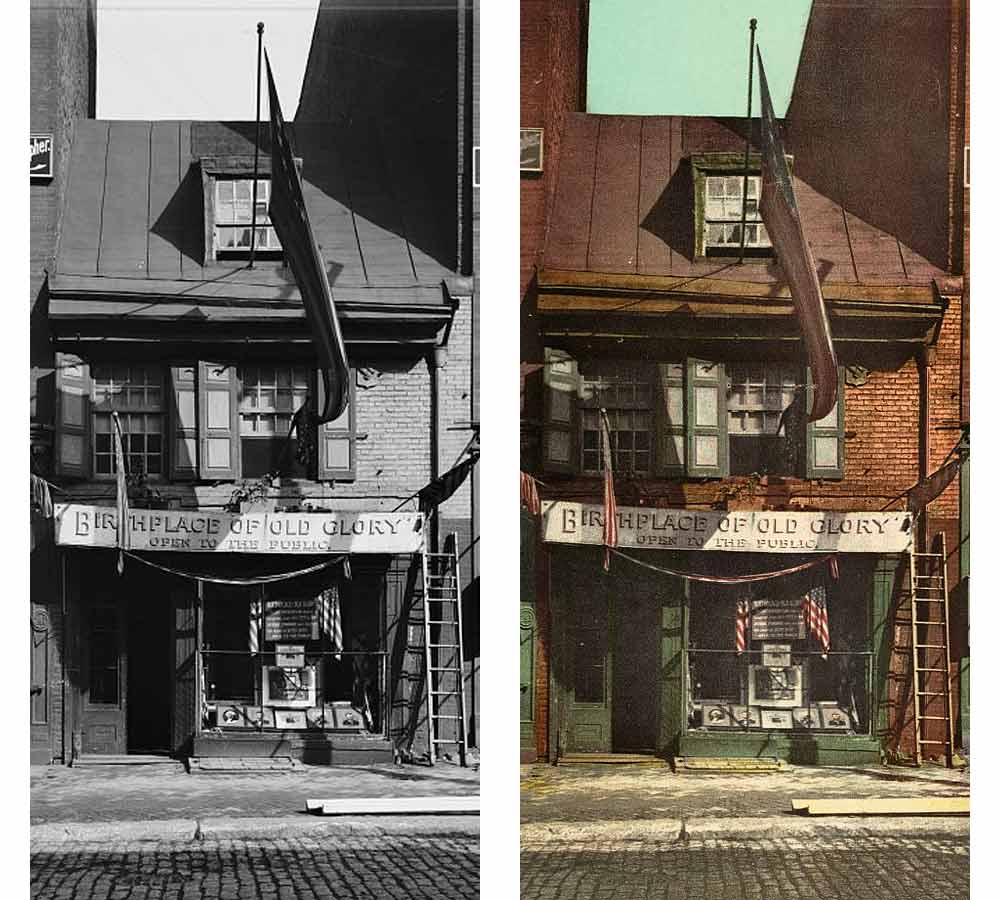
It required quite some work and talent to create these images. The photographer would usually make notes about the colors in the image he shot. These enabled a painter to create a painting that served as a color guide for the litho stone maker. This artisan would then create multiple exposures of the original black-and-white negative, changing the exposure time, development settings, and using dodge and burn techniques to create the required set of 6 to 15 stones that would each be used to print one specific color. By combining all these colors you get the prints shown on this page.
Three printing companies were licensed to use this process. The Swiss company Orell Gessner Füssli was the employer of Hans Jakob Schmid, who invented the process. In the USA the Detroit Photographic Company printed up to 7 million Photochrom printers per year. The third licensee was the Photochrom Company of London.

The photochrom process was most popular in the 1890s, when true color photography was first developed but not yet commercially viable.
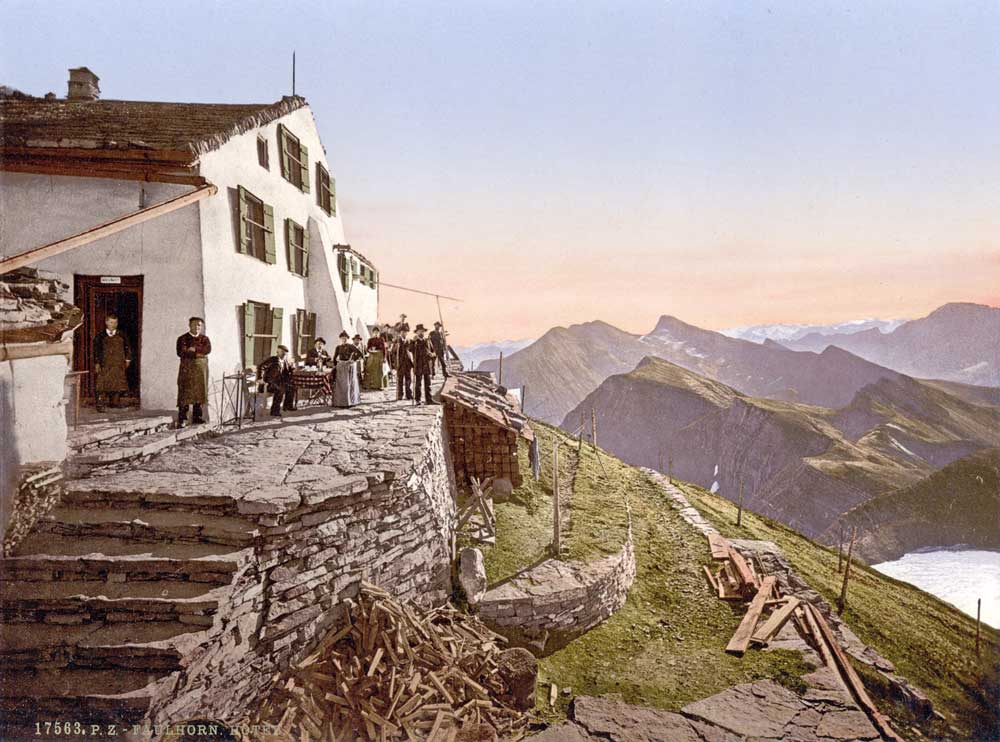
Initially photochrom prints of cities and landscapes were the most popular. After the first World War the process was mainly used for posters and art reproductions.

In the 1920s cheaper printing methods came to market and the photochrome process lost its appeal. The last photochrom printer operated up to 1970.

More old historic photos
There are large collections of photochrom prints on the web. The biggest gallery can be found on the web site of the US Library of Congress. You can view a selection of their images on Wikimedia. This blog shows an interesting selection of images.
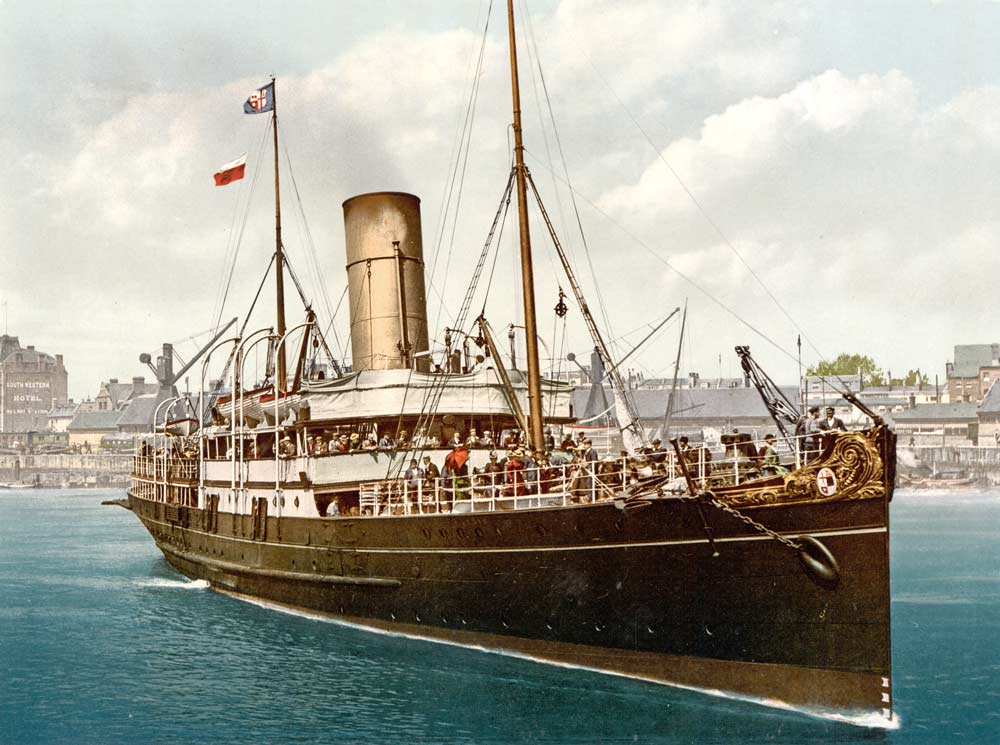
Below is my selection of images from this library that attracted me, either because they are of places I have been to or because of their interesting composition or color:
- People
- England and Ireland
- The European continent: Belgium, France, Germany, Norway, Switzerland
- USA and Canada
- Ships: sailing boats and steamers
- Harbors and ports
- Trains and railways
- Castles and palaces
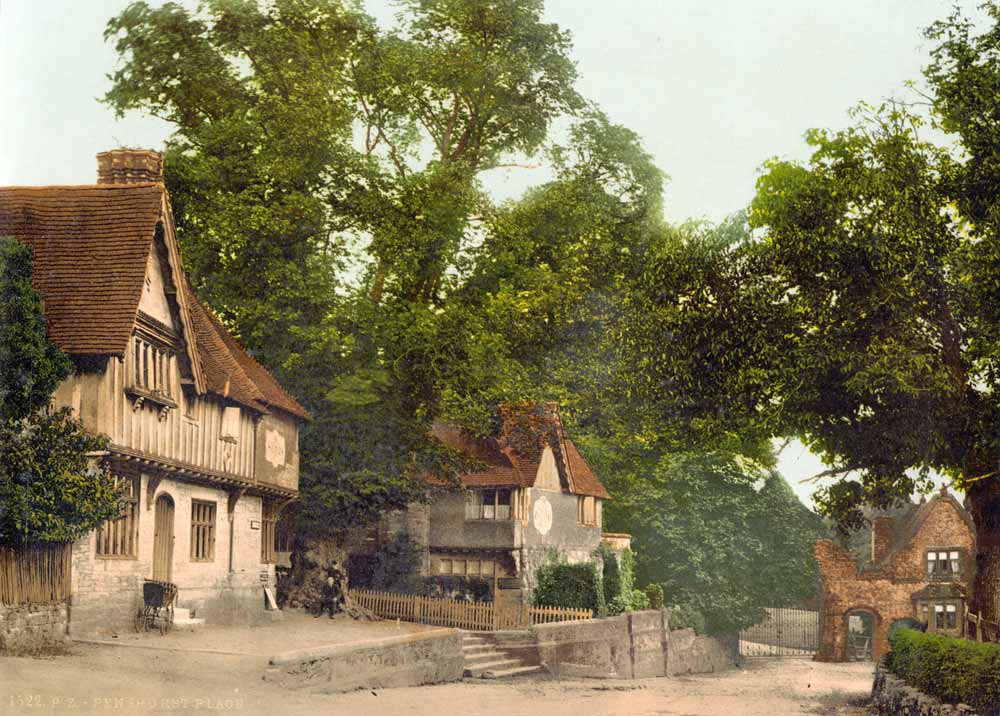
Other sources of information
Wikipedia obviously has a page on photochrom but a far more interesting read is The Miracle of Photochrom written by Gene Gable.
I’m looking for an old postcard of Rhosllanerchgrugog, N Wales- preferably a funny one. I’ve got one which has Photochromic co.ltd.
Can you help me please?
Judy Billington
I’m afraid that is beyond my fairly basic Google skills. Hopefully another visitor to this site can help you out.
Thanks for documenting these! I love the way they look. 🙂